

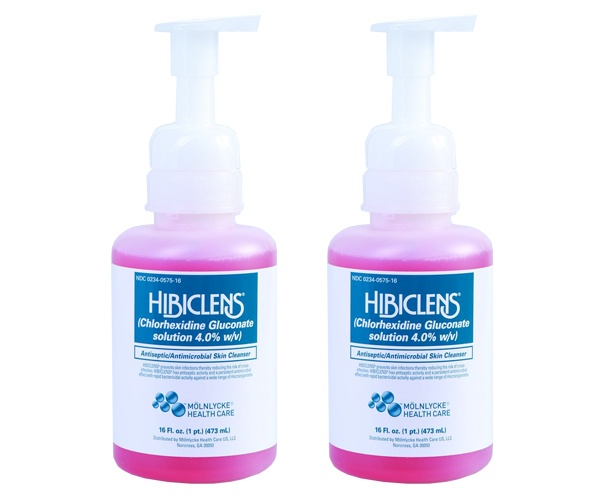
Hibiclens Antiseptic Antimicrobial Skin Cleanser
Protect the skin for up to 24 hours after the initial application with our antiseptic, antimicrobial skin cleanser, HIBICLENS. Hibiclens gently and effectively cleanses skin and superficial wounds, and is simple and easy to use as any liquid soap.
You may help protect patients by using Hibiclens Skin Cleanser to prevent skin infection thereby reducing the risk of cross-infection.
A patient's skin is a major source of pathogens that cause surgical-site infections. Preoperative antiseptic skin preparation may decrease the incidence of postoperative infections2. There is a significant relationship between positive skin culture and wound infection rates, suggesting that the skin is a possible source of contamination3. The general skin cleansing procedure with HIBICLENS® provides a safe and efficient way of removing pathogens from the patient’s body.
Features for HIBICLENS® Antiseptic Antimicrobial Skin Cleanser
- kills pathogens on contact
- contains 4% CHG, shown to be slightly more effective than 2% CHG
- incorporates easily into a patient’s usual skin cleansing routine
- washes clean, leaving a layer of CHG protection5 without sticky residue
- continues killing 99% of pathogens for up to twenty-four hours6
- repeated use results in a cumulative effect
Model No. 57516: 16 oz Foaming Pump Bottle. By Each or Case (12 ct)
How do I bathe or shower with HIBICLENS?
- If you have any open skin areas, check with a nurse before using HIBICLENS to shower or bathe.
- If you plan to wash your hair, do so using regular shampoo. Then rinse hair and body thoroughly to remove any shampoo residue.
- Thoroughly rinse your body with water from the neck down.
- Apply HIBICLENS directly on your skin or on a wet washcloth and wash gently. If showering: Move away from the shower stream when applying HIBICLENS to avoid rinsing off too soon.
- Rinse thoroughly with warm water.
- Do not use regular soap after applying and rinsing HIBICLENS.
- Dry your skin with a towel.
- If lotions are required, use only those that are compatible with CHG.
- Put on a freshly laundered gown or clothes after bathing.
Use only as directed, see HIBICLENS label for full product information and precautions.
Clinical studies show that a 4% CHG solution such as Hibiclens can help reduce facility infection rates, resulting in a significant economic gain. In large peer-reviewed studies, daily bathing with CHG showed significant reductions in infection rates:
- reduced C. difficile infections by 70%
- 61% lower incidence of primary bloodstream infections
- decreased methicillin-resistant Staphylococcus aureus (MRSA) by 32%
- reduced vancomycin-resistant Enterococcus (VRE) by 50%
Laundering
IMPORTANT LAUNDERING ADVICE FOR HOSPITAL STAFF AND OTHER USERS OF ANTISEPTIC PATIENT SKIN PREPARATIONS CONTAINING CHLORHEXIDINE GLUCONATE
When laundered with chlorine bleach, the combination of Chlorhexidine gluconate (CHG) and sufficient chlorine can stain fabrics. Thus, special laundering procedures should be considered when fabrics contaminated with CHG are laundered. If sufficient available chlorine is present during the washing procedure, a fast brown stain may develop due to a chemical reaction between CHG and chlorine.
SUGGESTED LAUNDERING PROCEDURES TO LIMIT STAINING
1. Not Aging. Avoid allowing the product to age (set) on unwashed linens.
2. Rinsing and Washing. A rinse operation as the initial step in the wash process is helpful in the laundering of linen exposed to chlorhexidine gluconate. Such rinsing is also important in the laundering of linen which contains organic materials such as blood or pus. For best results, warm water rinses (90-100°F) are recommended. After a number of initial rinses followed by a washing with a low alkaline/nonchlorine detergent, most fabrics previously contacting chlorhexidine gluconate should have an acceptable level of whiteness. If a rewash process using bleach is necessary to achieve a greater degree of whiteness, the bleach should be a nonchlorine bleach.
3. Not Using Chlorine Bleach. Modern laundering methods often make the use of chlorine bleach unnecessary. It is worthwhile trying to wash without chlorine to ascertain if the resulting degree of whiteness is acceptable. Omission of chlorine from the laundering process can extend the useful life of cotton articles since oxidizing bleaches such as chlorine may cause some damage to cellulose - even when used in low concentration.
4. Changing to a Peroxide-Type Bleach, Such as Sodium Perborate, Sodium Percarbonate or Hydrogen Peroxide.This should eliminate the reaction which could occur with the use of chlorine bleaches. If a chlorine bleach must be used, a concentration of less than 7 ppm available chlorine (1/10 the normal bleach level) is suggested to minimize possible staining.
A NOTE ON LAUNDERING OF PERSONAL CLOTHING
The laundering procedures set forth above using low alkaline, non-chlorine laundry detergents are also applicable to laundering of uniforms and lab coats. Commercially available laundry detergents which do not contain chlorine include Borax, Borateem®, Dreft®, Oxydol and Ivory Snow®. These products, however, will not remove stains previously set into the fabric.
References
2. HAI Data and Statistics, The Centers for Disease Control and Prevention, http://www.cdc.gov/hai/surveillance/.
4. Centers for Disease Control and Prevention. Guideline for Hand Hygiene in Health-Care Settings: Recommendations of the Healthcare Infection Control Practices Advisory Committee and the HICPAC/SHEA/APIC/IDSA Hand Hygiene Task Force. MMWR 2002;51 (No. RR- 16).
6. MBT Study No.582-106, Study Protocol # 582.1.11.12.12.
8. Rao, Nalini., et al. A Preoperative Decolonization Protocol for Staphylococcus Aureus Prevents Orthopaedic Infections. Clinical Orthopaedics and Related Research 466.6 (2008): 1343-348.
10. Climo MW, Sepkowitz KA, Zuccotti G, et al. Critical Care Medicine 2009 Jun; 37(6): 1858-1865
Active ingredient – Chlorhexidine gluconate solution 4.0% w/v
Inactive ingredients
Fragrance, gluconolactone, isopropyl alcohol 4% w/v, lauramine oxide, poloxamer 237, purified water, and red 40.
Other information
Store between 20-25°C (68-77°F).
Avoid excessive heat above 40°C (104°F).
Related Products
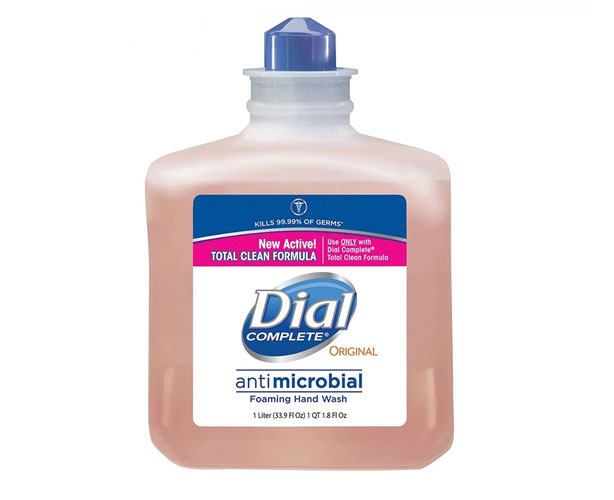
Dial Antimicrobial Foaming Hand Soap Refill
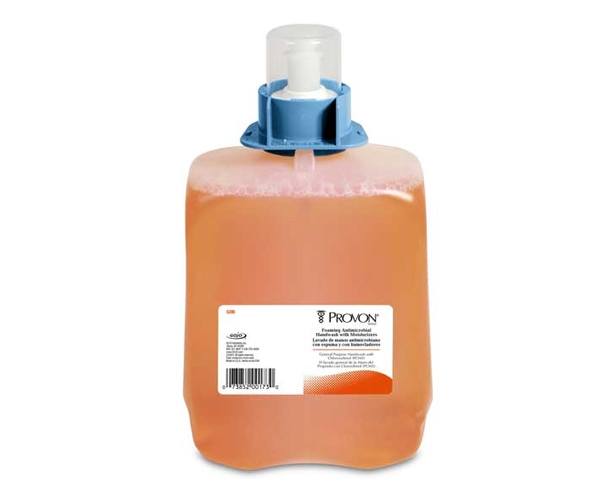
Provon Foaming Antimicrobial Handwash with Moisturizers
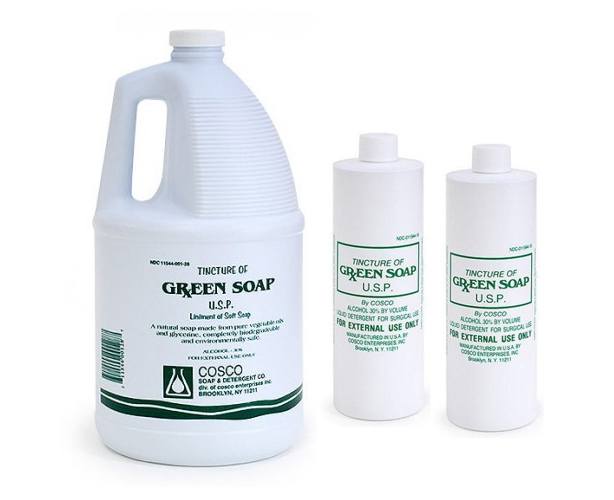
Cosco Tincture of Green Soap